Breads and grains
Is Potato Bread Healthy? Fiber, Slices and Comparisons
Is potato bread healthy? Compare Martin’s regular and Texas Toast potato breads with whole wheat for fiber, sodium, slice weight and sandwich portions.
The short answer
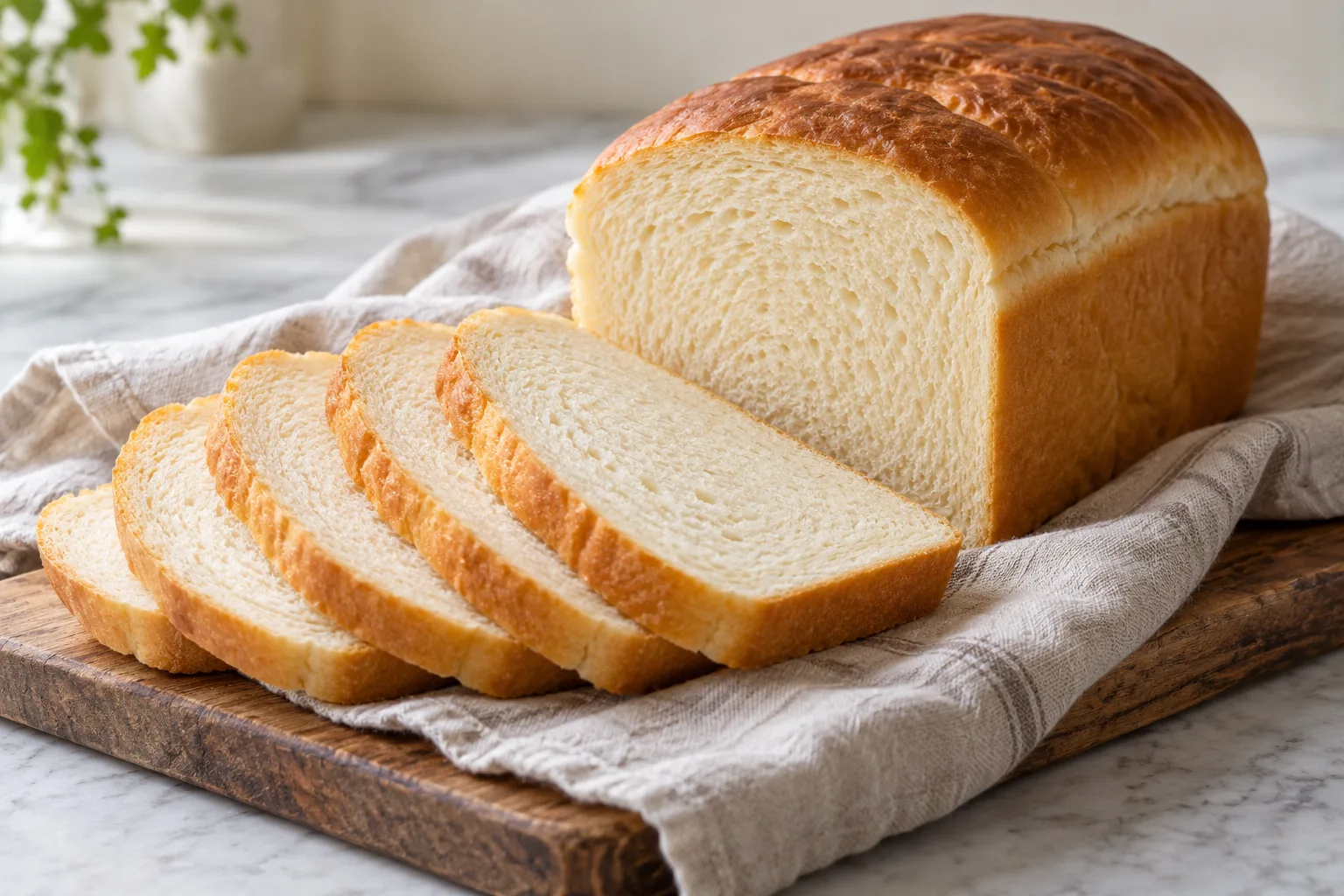
Sometimes Potato bread is a soft sandwich-bread choice, but it is not a reliable shortcut to more fiber. Martin’s listed US Potato Bread has 90 calories, 3 g protein and 1 g fiber per 32 g slice. Two slices provide about 180 calories and 2 g fiber. For a fiber-focused comparison, read the actual loaf rather than assigning every potato bread the unusually high generic USDA figure.
| Nutrient | Martin’s US Potato Bread: two 32 g slices, 64 g |
|---|---|
| Calories | 180 kcal |
| Protein | 6 g |
| Fiber | 2 g |
| Sodium | 210 mg |
| Total sugar | 6 g |
Two times the listed one-slice manufacturer panel; rounded label estimates. Generic USDA values do not replace this product’s panel.
Potato bread is a soft sandwich-bread choice, but it is not a reliable shortcut to more fiber. Martin’s listed US Potato Bread has 90 calories, 3 g protein and 1 g fiber per 32 g slice. Two slices provide about 180 calories and 2 g fiber. For a fiber-focused comparison, read the actual loaf rather than assigning every potato bread the unusually high generic USDA figure.
Read the exact loaf’s ingredients, fiber, sodium and slice weight before choosing a filling. Potato in the name does not make a wheat-based loaf gluten-free or equivalent to a portion of vegetables.
Start with two identified potato-bread products
The Martin’s Potato Bread page gives a 32 g slice. Its Texas Toast Potato Bread specification describes a thicker 43 g slice. Both are potato breads; the slice and formulation differ.
| Manufacturer portion | Potato Bread, one 32 g slice | Texas Toast Potato Bread, one 43 g slice |
|---|---|---|
| Calories | 90 | 120 |
| Protein | 3 g | 5 g |
| Fiber | 1 g | 1 g |
| Sodium | 105 mg | 140 mg |
| Total sugar | 3 g | 4 g |
The thicker slice supplies more bread, but the displayed fiber stays at 1 g. This is one reason slice count is an unreliable comparison. Two of the regular slices weigh 64 g; two Texas Toast slices weigh 86 g.
Both ingredient lists start with enriched wheat flour and include milk and a potato ingredient. Potato does not make the bread wheat-free. Check the actual package for ingredients and allergens, including when switching between retail and food-service products.
The USDA generic potato-bread record, FDC 167943, still has 6.3 g fiber per 100 g. That is a valid value for that reference, but it is not a substitute for these named product panels. Use the matching package when calculating your sandwich.
What changes at the same 64 g bread weight?
For a whole-grain alternative, Dave’s Killer Bread’s nutrition table lists its 100% Whole Wheat loaf at 100 calories, 3 g fiber and 160 mg sodium per 42 g slice. The table below scales each bread to 64 g, the weight of two regular Martin’s Potato Bread slices.
| Calculated equal 64 g | Martin’s Potato Bread | Martin’s Texas Toast Potato Bread | Dave’s 100% Whole Wheat |
|---|---|---|---|
| Calories | 180 | 179 | 152 |
| Protein | 6.0 g | 7.4 g | 6.1 g |
| Fiber | 2.0 g | 1.5 g | 4.6 g |
| Sodium | 210 mg | 208 mg | 244 mg |
The whole-wheat example supplies more fiber at this weight, while its sodium is higher. That is a specific tradeoff rather than a promise that whole wheat wins every column. The figures are estimates from rounded labels; 64 g is a comparison amount, not the whole-wheat loaf’s stated serving.
If you eat two whole-wheat slices instead, its actual 84 g amount supplies 200 calories and 6 g fiber. Compare that complete sandwich portion separately from the equal-weight table. You may prefer either bread, but keep the amount consistent with what you actually eat.
Generic USDA white bread and whole-wheat bread are useful reference foods when no product label is available. For these three named loaves, the manufacturer panels are the closer match.
Potato ingredients do not establish whole-grain content
Many potato breads combine wheat flour with a potato ingredient. The exact flour, amount of potato and other ingredients depend on the recipe. A potato name describes a feature of the bread, not a standard whole-grain formula.
Look for the actual grain ingredients. If whole-wheat bread is your aim, identify whole-wheat flour rather than relying on tan color, a soft texture or a wholesome-looking package. Then read grams of fiber because ingredients and nutrient amounts answer related but different questions.
The FDA’s Nutrition Facts guide helps compare serving weights and fiber. It also explains why the serving listed is a label basis rather than a prescription for how much bread every person should eat.
If you prefer potato bread for texture, you can still build a meal with other fiber-containing foods. Planrity’s bean guide gives options for fillings or sides. A bread does not have to provide every nutrient, but its name should not be used to assume a contribution that the panel does not show.
Two slices: choose the amount before comparing fillings
A regular Martin’s two-slice portion is 64 g, with about 180 calories, 6 g protein and 210 mg sodium. Two of its thicker Texas Toast potato slices weigh 86 g, with about 240 calories, 10 g protein and 280 mg sodium. The piece count is identical, but the amount of bread is one third larger.
That difference may be useful when you want a substantial sandwich. It may be less useful when the thicker bread is chosen by habit while the filling stays small. Decide how much bread you want around the filling, rather than assuming “two slices” is a fixed food amount.
For a familiar loaf, check the grams per slice and compare them with the new package before switching. If you weigh your usual sandwich bread once, you can use that reference later without measuring every meal.
Toasting changes water content and texture, so an equal-weight toasted-versus-untoasted comparison can describe different starting amounts of bread. Count the slices or starting weight you used, then add spreads and fillings separately.
Planrity’s pita guide applies the same principle to flatbreads: a piece can be small or large, and neither the name nor the shape fixes its nutrition amount.
The sandwich filling still needs a place in the estimate
Bread can supply a meaningful share of a sandwich’s sodium before meat, cheese, pickles or sauce. Two of the regular Martin’s slices contribute about 210 mg. A salty filling can add substantially more, while vegetables and a different protein food change another part of the meal.
The FDA’s sodium guide uses 2,300 mg as a general Daily Value. Compare the whole sandwich rather than treating a lower-sodium bread as proof that the meal is low sodium. If you follow a personal limit, use that guidance when choosing the filling and bread together.
For cheese, Planrity’s provolone guide shows how weighed portions affect saturated fat and sodium. For poultry, the turkey guide separates plain cooked meat from deli preparations. Those distinctions can make more difference to the finished meal than the word potato on the loaf.
Sweet spreads and sweetened drinks bring added sugar into the meal. The FDA’s added-sugars guide explains why total and added sugar should be kept distinct. Use the branded bread’s actual added-sugar line rather than inferring it from the generic table.
Check suitability, then choose the loaf you enjoy
Potato bread containing wheat is not gluten-free. The potato ingredient does not neutralize wheat or make the finished bread suitable for a wheat allergy. Some recipes may also include milk, eggs or other allergens. The FDA’s allergy-label advice supports checking each current product.
At the supermarket, identify the serving weight, fiber and sodium first. Next read the grains and any ingredients relevant to your needs. Finally, picture the sandwich you intend to make rather than comparing an empty slice with another food’s complete meal.
Potato bread can be a practical, enjoyable choice. Its strongest case comes from a real package and realistic portion, with the generic USDA record used as a reference rather than a favorable number assigned to every loaf.
Frequently asked questions
Is potato bread healthier than whole-wheat bread?
Compare the actual loaves and the amount you eat. At a calculated 64 g, the Martin’s Potato Bread example has about 2 g fiber and 210 mg sodium, while the Dave’s 100% Whole Wheat example has about 4.6 g fiber and 244 mg sodium. The whole-wheat option supplies more fiber here, but sodium moves in the other direction.
Why does USDA show more fiber than my potato-bread label?
The generic USDA reference describes a different food sample or formulation, not every commercial loaf. Its 6.3 g fiber per 100 g should not be assigned to the Martin’s products discussed here. Use your package for the loaf you buy. A database value can be accurate within its own scope and still be a poor match for your sandwich.
Is potato bread gluten-free?
The named Martin’s products contain wheat flour, so they are not gluten-free alternatives. Milk and other ingredients also matter for allergies. Read the current package for the exact loaf. Potato in a recipe does not remove wheat or establish that the bread is suitable for a person avoiding it.
Sources
- FDA: How to Understand and Use the Nutrition Facts Label, FDA
- FDA: Sodium in Your Diet, FDA
- FDA: Added Sugars on the Nutrition Facts Label, FDA
- FDA: Have Food Allergies? Read the Label, FDA
- USDA FoodData Central: Bread, potato (FDC 167943), USDA FoodData Central
- USDA FoodData Central: Bread, whole-wheat, commercially prepared (FDC 172688), USDA FoodData Central
- USDA FoodData Central: Bread, white, commercially prepared (includes soft bread crumbs) (FDC 174924), USDA FoodData Central
- Martin’s: Potato Bread: US label, Martin’s
- Martin’s: Texas Toast Potato Bread specification, Martin’s
- Dave’s Killer Bread: Product nutrition comparison table, Dave’s Killer Bread