Dairy and cheese
Is Provolone Cheese Healthy? Benefits and Portion Guide
Provolone contributes protein and calcium alongside saturated fat and sodium. Compare weighed cheese portions and see how three cheese choices change one sandwich.
The short answer
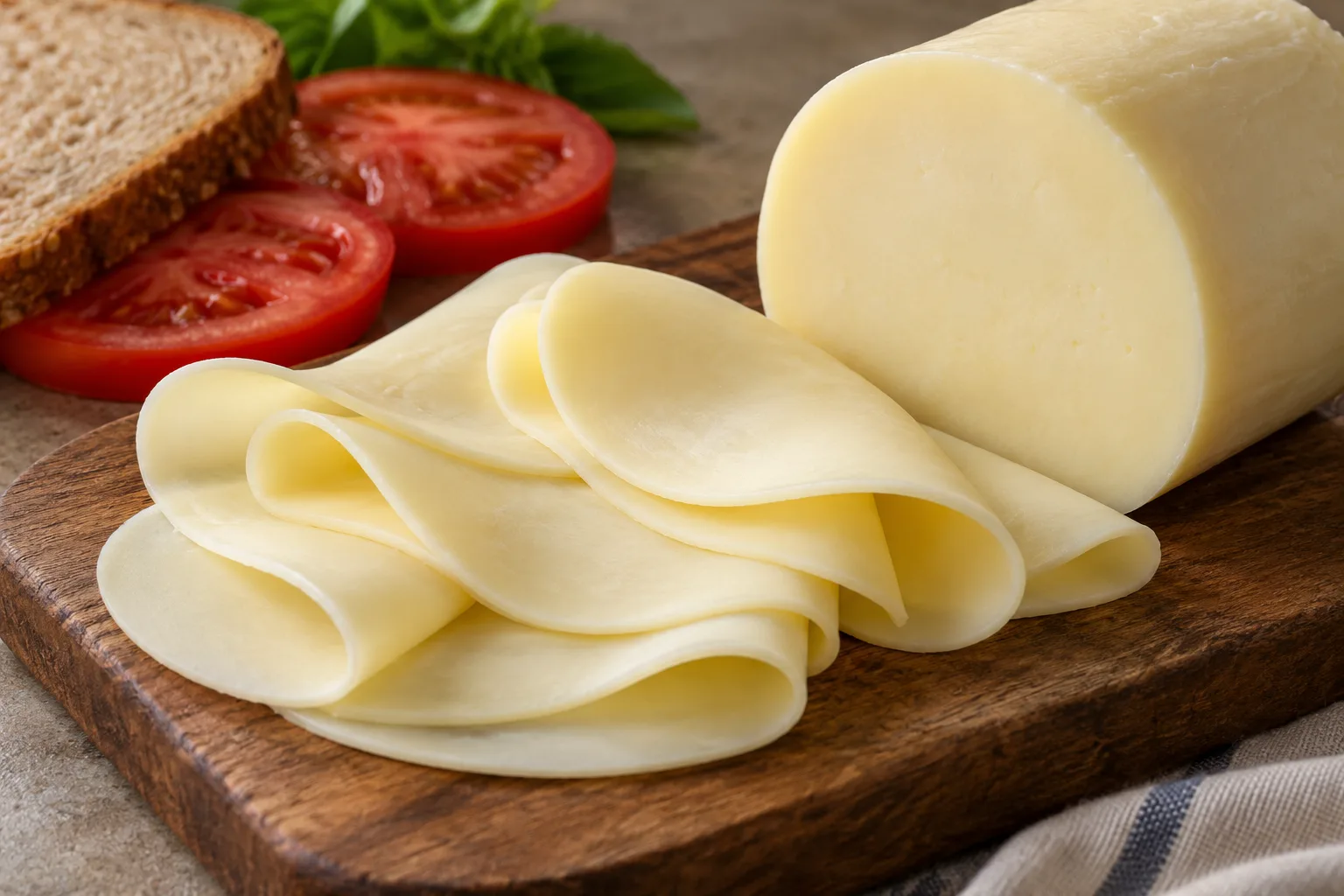
Sometimes Provolone provides protein and calcium, but its saturated fat makes the amount worth noticing. A 28-g portion of the USDA reference supplies about 98 calories, 7.2 g protein, 212 mg calcium, 4.8 g saturated fat and 204 mg sodium. For less saturated fat at the same weight, the part-skim mozzarella reference below is a useful alternative.
| Nutrient | USDA generic provolone: weighed 28 g portion |
|---|---|
| Calories | 98 kcal |
| Protein | 7.2 g |
| Calcium | 212 mg |
| Saturated fat | 4.8 g |
| Sodium | 204 mg |
USDA SR Legacy FDC 170850, per-100-g values multiplied by 0.28. This is not a universal deli-slice weight.
Provolone provides protein and calcium, but its saturated fat makes the amount worth noticing. A 28-g portion of the USDA reference supplies about 98 calories, 7.2 g protein, 212 mg calcium, 4.8 g saturated fat and 204 mg sodium. For less saturated fat at the same weight, the part-skim mozzarella reference below is a useful alternative.
Whether another cheese is a better fit depends on what you are comparing: equal weights, actual slices, protein, calcium, sodium or saturated fat. A cheese can compare favorably on one measure and less favorably on another.
What a 28-g portion contributes
The figures below use USDA FoodData Central’s provolone reference, FDC 170850, from SR Legacy. The 28-g example is a weighed portion; it should not be assumed to describe every deli slice. Values are rounded after scaling the per-100-g record.
| Nutrient | 28 g provolone | Per 100 g |
|---|---|---|
| Calories | 98 kcal | 351 kcal |
| Protein | 7.2 g | 25.6 g |
| Total fat | 7.5 g | 26.6 g |
| Saturated fat | 4.8 g | 17.1 g |
| Carbohydrate | 0.6 g | 2.1 g |
| Sodium | 204 mg | 727 mg |
| Calcium | 212 mg | 756 mg |
Use a package’s slice weight and label when available. Deli slices differ in thickness: two slices totaling 28 g contribute the table’s reference amount, while slices totaling 56 g contribute about 197 calories, 14.3 g protein, 9.6 g saturated fat and 407 mg sodium. Weigh the slices together or ask for their total weight at the deli.
Protein and calcium in the portion
The 28-g portion contributes about 7.2 g protein and 212 mg calcium. The NIH calcium fact sheet explains calcium’s role in maintaining bones and teeth. This portion supplies about 16% of the FDA’s 1,300 mg calcium Daily Value, a general label reference.
Those are useful contributions when you enjoy cheese in a sandwich or alongside another food. For a cheese-centered dish, the serving weight becomes more important: a recipe using several slices per person can provide considerably more than this example.
Calcium and saturated fat answer different questions. Assess each contribution separately rather than using the calcium figure to decide how much cheese to add. The equal-weight mozzarella comparison below makes that trade-off visible.
Saturated fat: the main reason to compare portions
The FDA Nutrition Facts guide uses a 20 g saturated-fat Daily Value. The provolone portion’s roughly 4.8 g is about 24% of that reference; 56 g contributes about 9.6 g, or 48%. A prescribed limit may require a different personal decision.
For a sandwich, there are two straightforward ways to change that amount: use less provolone, or use a cheese with less saturated fat at the same weight. The worked sandwich below compares both approaches while keeping the bread and vegetables unchanged.
If the sandwich also includes butter, a creamy spread or another fat-containing filling, include that ingredient separately. Choose the amount of provolone for its flavor and texture, with the rest of the sandwich in view.
How provolone compares with mozzarella
This table uses equal 28-g portions of three specifically identified USDA foods. They are separate reference foods, not one recipe with a single ingredient changed.
| Cheese reference | Calories | Protein | Saturated fat | Sodium | Calcium |
|---|---|---|---|---|---|
| Provolone | 98 | 7.2 g | 4.8 g | 204 mg | 212 mg |
| Low-moisture, part-skim mozzarella | 83 | 6.7 g | 3.2 g | 186 mg | 195 mg |
| Whole-milk mozzarella | 84 | 6.2 g | 3.9 g | 136 mg | 141 mg |
Sources: provolone, FDC 170850, low-moisture part-skim mozzarella, FDC 171244 and whole-milk mozzarella, FDC 170845.
These references show different trade-offs, explained below. Package labels can differ, particularly across mozzarella types with different moisture content.
Which cheese fits your priority?
For less saturated fat while keeping a similar protein amount, the low-moisture part-skim mozzarella reference is the more useful comparison: 3.2 g saturated fat and 6.7 g protein per 28 g, versus provolone’s 4.8 g and 7.2 g.
For the least sodium among these references, whole-milk mozzarella has 136 mg per 28 g. The part-skim mozzarella is a different moisture category, so this is a comparison of identified foods rather than proof that changing milk fat alone caused the sodium difference.
If provolone is the flavor you want, try a smaller amount spread across the bread. For packaged slices, compare grams as well as slice counts. A lower number per slice can reflect a thinner slice rather than a different recipe.
A sandwich example: change the cheese, keep the rest
Consider a sandwich with 60 g whole-wheat bread, 50 g tomato and 20 g romaine lettuce. Add either 28 g provolone, 14 g provolone or 28 g low-moisture part-skim mozzarella. The following are ingredient calculations before spreads, meat, oil or other toppings, not a tested recipe or restaurant analysis.
| Cheese choice in the same sandwich | Calories | Protein | Saturated fat | Sodium |
|---|---|---|---|---|
| 28 g provolone | 262 | 15.3 g | 5.2 g | 481 mg |
| 14 g provolone | 213 | 11.7 g | 2.8 g | 379 mg |
| 28 g low-moisture part-skim mozzarella | 246 | 14.8 g | 3.6 g | 464 mg |
Alongside the cheese references, this uses USDA data for commercial whole-wheat bread, raw tomato and raw romaine. Each nutrient is scaled by the weighed grams divided by 100, then summed and rounded for the table.
Using half the provolone produces the largest saturated-fat reduction among these examples, but also reduces protein. Switching to the mozzarella retains more of the original sandwich’s protein while reducing saturated fat by a smaller amount. Neither change produces a large sodium reduction on its own, because bread and cheese both contribute.
This is a more useful choice than declaring a single cheese the winner for every sandwich. You may prefer the provolone flavor in a smaller portion or the texture of a full mozzarella portion. Use your actual bread and cheese labels to adapt the example; slice thickness and bread weight can differ.
The vegetables contribute to the sandwich’s composition, including its approximately 4.6 g fiber with this bread. An extra spread or filling should be added to the calculation, particularly when sodium is the priority. The FDA sodium guide explains how to compare amounts at the serving you eat.
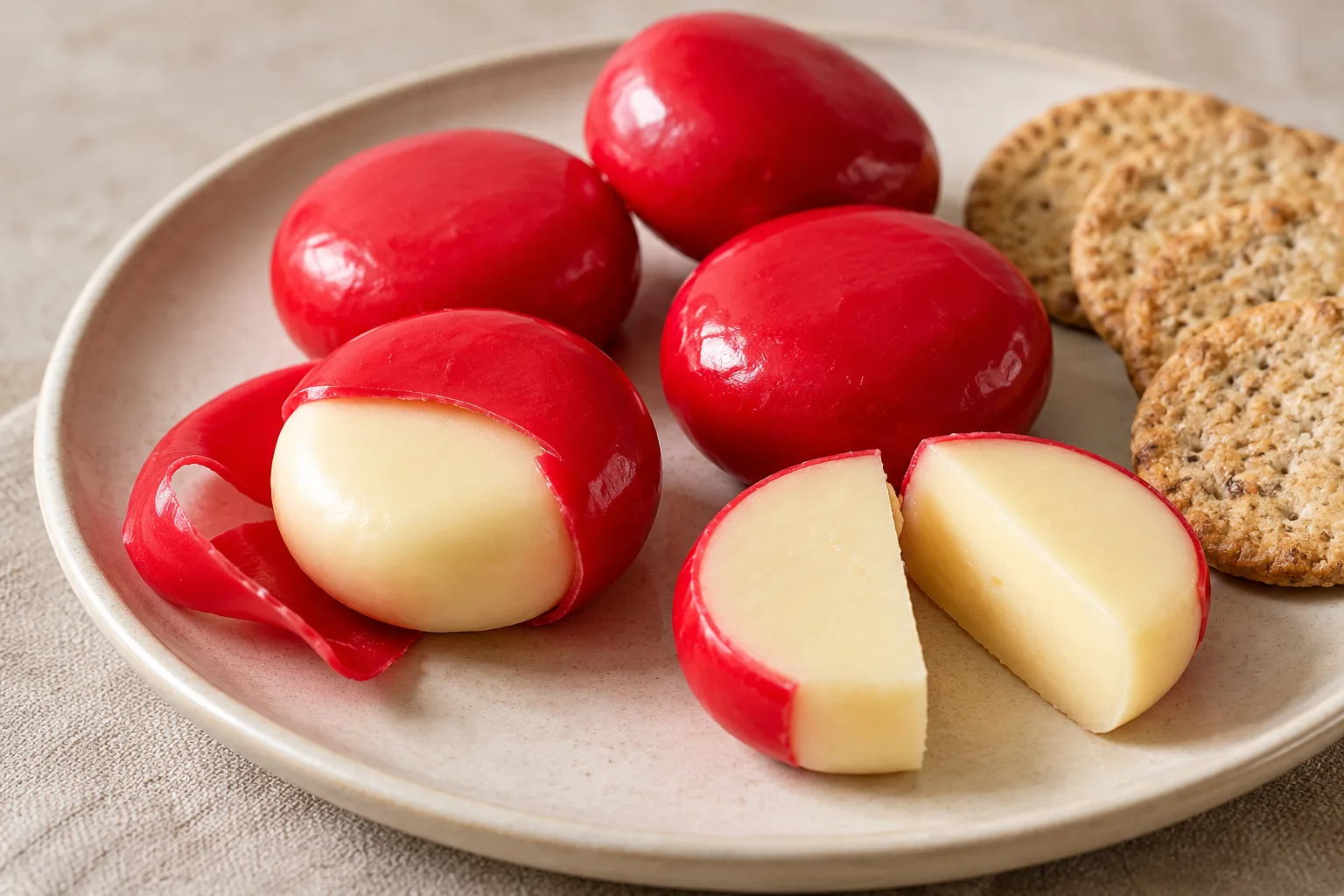
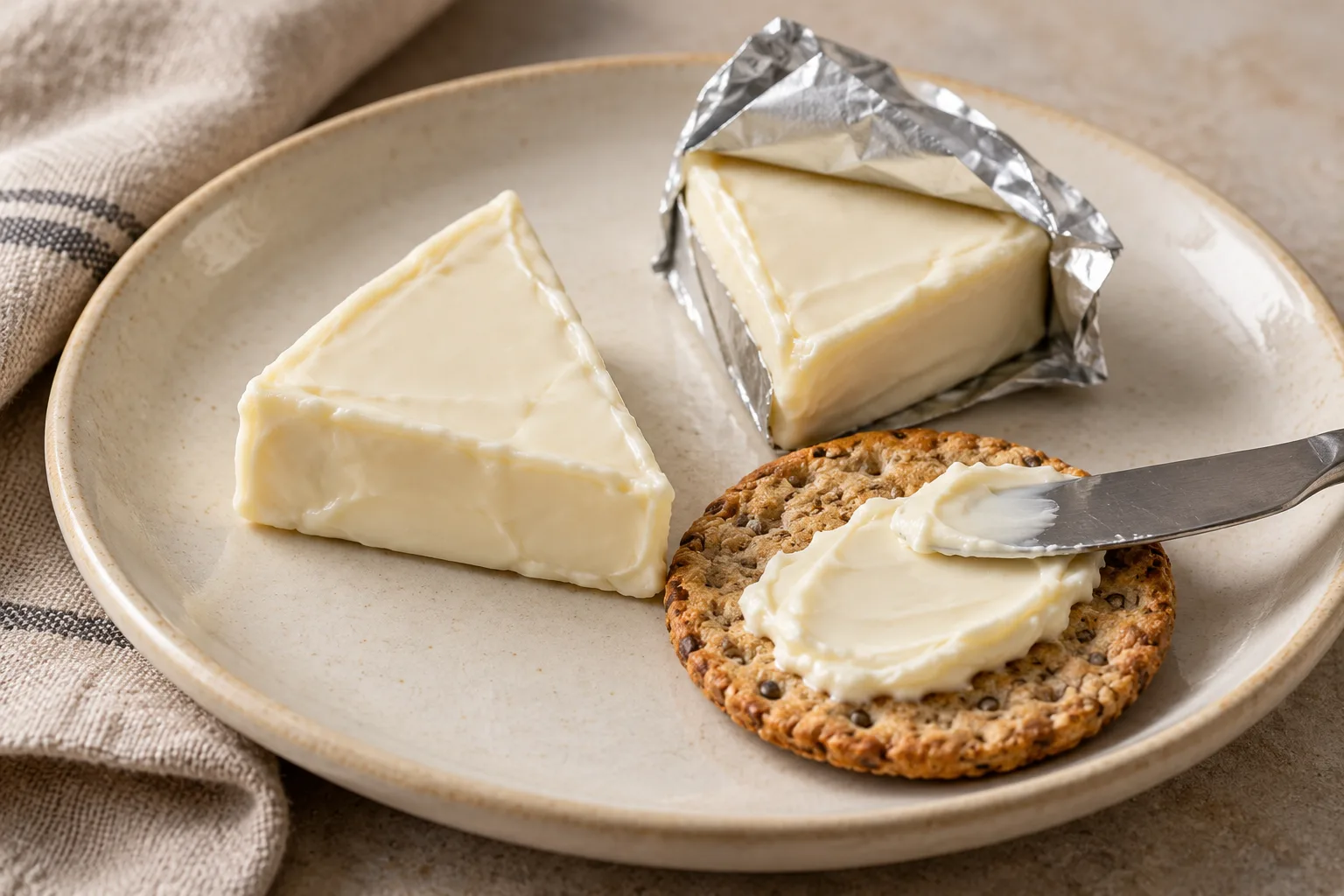
For a baked dish, our quiche guide considers the complete recipe. For portable cheese portions, our Babybel guide and Laughing Cow comparison examine different named products.
Milk allergy and lactose questions
Provolone is a milk-based cheese. If milk protein must be avoided, the ingredient and allergen information is the relevant starting point; an aged-cheese description is not an allergy assessment. The FDA food-allergy guide explains declarations for major allergens, including milk.
A lactose question is different from milk allergy. Ask the manufacturer for the information relevant to your restriction, and use professional guidance where needed. At a deli, also ask about handling and shared equipment if cross-contact matters.
The generic nutrient table cannot establish whether a particular cheese meets a prescribed sodium or saturated-fat limit. Take the package and the portion you intend to eat into that individual discussion.
A practical deli or supermarket choice
Choose the cheese flavor first, then check whether the available slice weight suits your meal. A deli can give the total weight of the slices; at home, weigh several together if an individual slice is difficult to measure accurately.
For a packet, the average slice weight can be estimated from the net weight and slice count, although uneven slices will vary. When comparing two products, scale the nutrient amount to the same grams before returning to your intended portion.
For provolone, the key trade-off is clear: useful protein and calcium alongside a substantial saturated-fat contribution in a small weight. The sandwich example shows two ways to adjust that trade-off without needing to abandon the food you enjoy.
Prepared with AI assistance. This guide has not been medically reviewed and provides general information, not personal medical advice.
Frequently asked questions
Is provolone healthier than mozzarella?
At equal 28-g weights, the low-moisture part-skim mozzarella reference has less saturated fat, while the whole-milk mozzarella reference has less sodium than provolone. Choose by the measure that matters to you and check the exact product; these are separate USDA reference foods.
How many slices make 28 g?
There is no universal slice count. Use the package's grams per slice or weigh your deli slices together. Two thin slices and two thick slices can represent very different amounts.
Which sandwich change lowers saturated fat most in the example?
Using 14 g rather than 28 g provolone lowers the calculated sandwich from 5.2 to 2.8 g saturated fat. Using 28 g part-skim mozzarella instead gives about 3.6 g. The smaller provolone portion also reduces protein, so the changes have different trade-offs.
Sources
- FDA: How to Understand and Use the Nutrition Facts Label, FDA
- FDA: Sodium in Your Diet, FDA
- FDA: Have Food Allergies? Read the Label, FDA
- NIH Office of Dietary Supplements: Calcium, NIH Office of Dietary Supplements
- USDA SR Legacy: Cheese, provolone (FDC 170850), USDA SR Legacy
- USDA SR Legacy: Cheese, mozzarella, low moisture, part-skim (FDC 171244), USDA SR Legacy
- USDA SR Legacy: Cheese, mozzarella, whole milk (FDC 170845), USDA SR Legacy
- USDA SR Legacy: Lettuce, cos or romaine, raw (FDC 169247), USDA SR Legacy
- USDA SR Legacy: Tomatoes, red, ripe, raw, year round average (FDC 170457), USDA SR Legacy
- USDA SR Legacy: Bread, whole-wheat, commercially prepared (FDC 172688), USDA SR Legacy