Breads and grains
Are Goodles Healthy? Protein, Fiber and Prepared Portions
Are Goodles healthy? Compare Cheddy Mac with Kraft in dry and cup formats, then count prepared portions, whole-box sodium, protein, fiber and additions.
The short answer
Sometimes Goodles has a useful protein-and-fiber advantage in the boxed and cup comparisons here; it is not a lower-sodium shortcut. Cheddy Mac lists 15 g protein, 7 g fiber and 600 mg sodium per prepared serving. Its individual cup has more listed protein and fiber than the inspected Kraft Original cup, while also listing more sodium. Portion and format still matter.
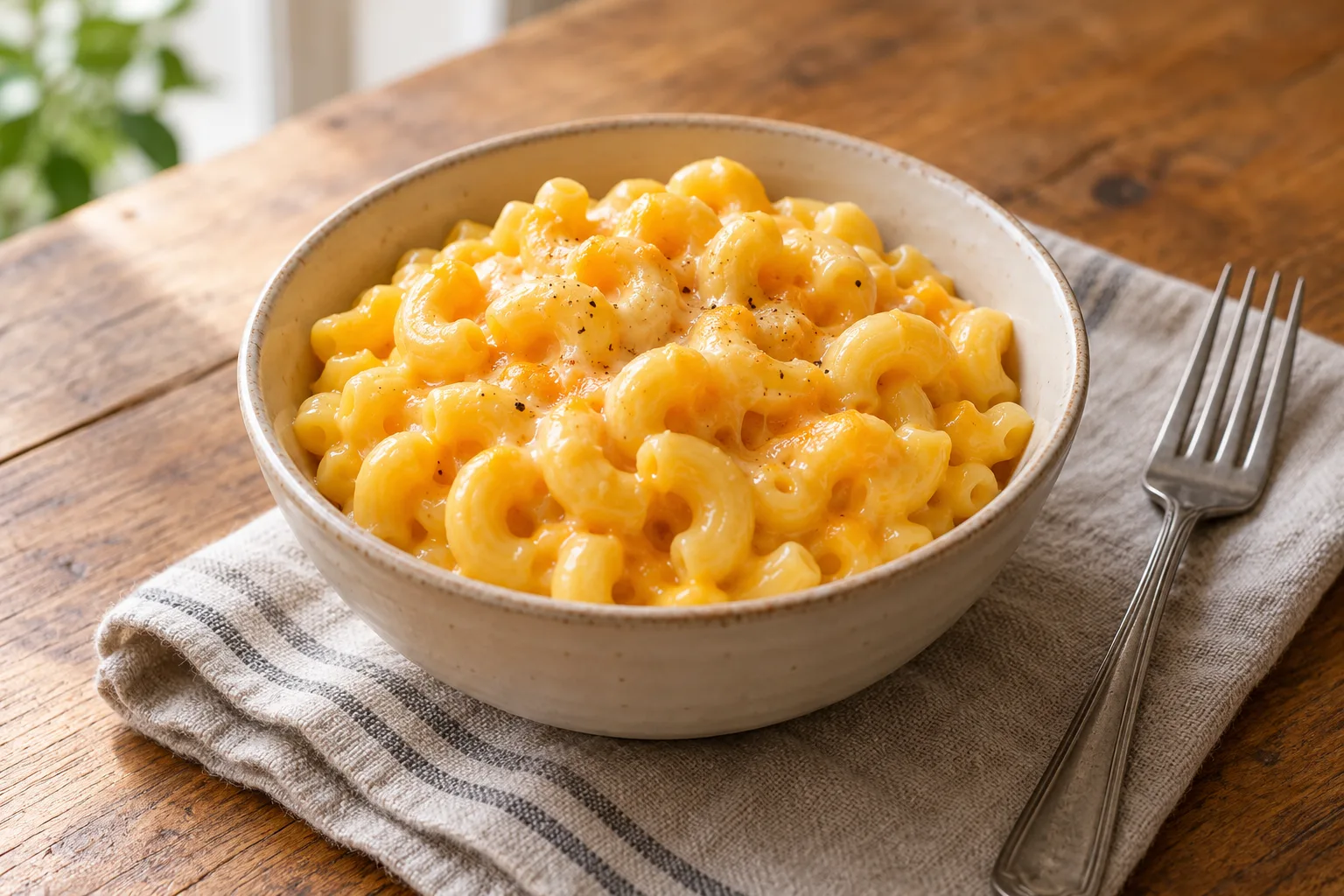
| Nutrient | Cheddy Mac: one prepared serving, about 1 cup |
|---|---|
| Calories | 270 kcal |
| Protein | 15 g |
| Fiber | 7 g |
| Sodium | 600 mg |
| Saturated fat | 1.5 g |
| Added sugar | 0 g |
Official US 74 g dry / prepared dual-column panel; about 2.5 servings per box.
Goodles has a useful protein-and-fiber advantage in the boxed and cup comparisons here; it is not a lower-sodium shortcut. Cheddy Mac lists 15 g protein, 7 g fiber and 600 mg sodium per prepared serving. Its individual cup has more listed protein and fiber than the inspected Kraft Original cup, while also listing more sodium. Portion and format still matter.
Choose the format first: a box shared at dinner and an individual lunch cup need different comparisons. Then count the prepared portion and additions. Extra protein and fiber do not remove the sodium contribution.
Use the prepared column for the food you eat
The official Cheddy Mac product page gives two columns: 74 g dry mix and about one cup prepared. The box contains about 2.5 servings. The prepared column reflects the manufacturer’s stated preparation, so changing the milk, butter or other ingredients changes the result.
| Nutrient | 74 g dry mix | One prepared serving |
|---|---|---|
| Calories | 260 | 270 |
| Protein | 14 g | 15 g |
| Fiber | 7 g | 7 g |
| Sodium | 590 mg | 600 mg |
| Saturated fat | 1.5 g | 1.5 g |
| Total sugar | 5 g | 7 g |
| Added sugar | 0 g | 0 g |
Dry mix is not a ready-to-eat serving. Water added during cooking changes weight and volume, while other ingredients can add nutrients. Do not compare 74 g of dry Goodles with 74 g of a cooked competing pasta and call the difference a product advantage.
Use the package you bought if its formula or instructions differ. A page about a different flavor, an older box or a different country may show another serving size. Even within the brand, the shelf-stable cup and boxed product are separate formulations.
What happens when one serving becomes the whole box?
The following estimates multiply the prepared label by the fraction of the box eaten. They assume the whole box is prepared consistently and divided evenly. Because both the nutrient values and “about 2.5 servings” are rounded, the larger totals are approximate.
| Amount eaten | Calories | Protein | Fiber | Sodium |
|---|---|---|---|---|
| One prepared serving | 270 | 15 g | 7 g | 600 mg |
| One and a half servings | 405 | 22.5 g | 10.5 g | 900 mg |
| Whole box, about 2.5 servings | 675 | 37.5 g | 17.5 g | 1,500 mg |
The whole-box sodium estimate is about 65% of the FDA’s 2,300 mg Daily Value. It does not mean the box is forbidden or that everyone needs the same meal size. It means the sodium contribution remains substantial even though protein and fiber also rise.
The FDA’s label guide explains why the serving at the top of a panel is central to interpreting every number below it. If you usually eat directly from the pan, divide the finished batch before serving once. That gives you a more useful reference than guessing what “one cup” looked like after the meal.
Compare dry mix with dry mix
The Kraft Original box panel, UPC 00021000084555 lists a 69 g dry serving with 250 calories, 9 g protein, 1 g fiber and 590 mg sodium. GOODLES Cheddy Mac’s 74 g dry serving lists 260 calories, 14 g protein, 7 g fiber and 590 mg sodium.
Because the printed serving weights differ, the table scales both dry products to 70 g. It excludes preparation milk, butter and water.
| Calculated 70 g dry mix | GOODLES Cheddy Mac | Kraft Original |
|---|---|---|
| Calories | 246 | 254 |
| Protein | 13.2 g | 9.1 g |
| Fiber | 6.6 g | 1.0 g |
| Sodium | 558 mg | 599 mg |
The protein and fiber difference is much larger than the calorie difference in these two references. Do not compare Kraft’s dry 250 calories with GOODLES’ prepared 270 and describe that as a fair finished-meal test.
For a cooked meal, use each package’s preparation and the amount eaten. Changing milk or fat changes the comparison again. This guide has not tested taste, texture, digestion or blood-glucose responses; the demonstrated advantage is in the listed composition.
If your priority is protein or fiber, these values give you a reason to consider GOODLES. If sodium is the deciding factor, compare the complete prepared portion rather than assuming a protein-and-fiber claim makes salt negligible.
For a single lunch cup, compare the whole cups
The GOODLES Cheddy Mac cup and Kraft Original microwaveable cup, UPC 00021000010875 are separate ready-to-prepare formats. Their individual cup panels make a practical shopping comparison:
| One complete cup | GOODLES, 63 g | Kraft Original, 58 g |
|---|---|---|
| Calories | 230 | 220 |
| Protein | 11 g | 7 g |
| Fiber | 6 g | 1 g |
| Sodium | 560 mg | 490 mg |
The cups are not equal weights, so this table describes what buying and eating one of each supplies. GOODLES adds 4 g listed protein and 5 g fiber, with 70 mg more sodium and 10 more calories in these particular packages.
An individual cup makes the portion boundary visible, but you still decide whether it is lunch or part of lunch. If you eat two cups, count two. If you add vegetables, beans or chicken, count the food you add to the cup rather than using the nutrition of a different complete meal.
Build a plate around the pasta you want
Start with the prepared amount you expect to eat, then choose additions for a clear purpose. Vegetables add a different component to the meal. Beans or cooked poultry can change protein and fiber. Extra cheese, salty meat or bottled sauce can also increase saturated fat or sodium, so count those additions rather than treating them as nutritionally invisible.
For a transparent example, 75 g cooked unsalted black beans contributes about 99 calories, 6.6 g protein and 6.5 g fiber using USDA FDC 173735. Adding that amount to one prepared Goodles serving gives approximately 369 calories, 21.6 g protein and 13.5 g fiber. Canned seasoned beans need their own sodium figure. Planrity’s cooked-bean comparison helps distinguish plain beans from salted or seasoned products when choosing that addition. If you divide a cooked box between people, divide any bean addition separately as well; the example counts 75 g beans in the portion eaten, not 75 g scattered across the whole box.
That example is an option, not a requirement to add more fiber to an already fiber-containing pasta. You may prefer vegetables and a separate protein food, or simply a smaller pasta side with dinner. Choose an addition you want to eat instead of collecting nutrients until the meal becomes too large or expensive.
If you use pesto, the sauce contributes its own oil, cheese and sodium. The pesto guide explains how a measured spoonful differs from a generous coating. Likewise, provolone is useful to assess by weight when cheese is an extra topping rather than part of the manufacturer’s preparation.
Check allergies and make one useful comparison
The reviewed Cheddy Mac product contains wheat and milk. A pasta made with extra plant ingredients is not therefore wheat-free, and a product with cheese is not suitable for a milk allergy unless its actual label says otherwise. The FDA’s allergy-label advice recommends checking ingredient and allergen information on the current package.
For your next purchase, compare two products you would realistically use. Write down prepared calories, protein, fiber and sodium for the amount you will eat. Include required additions and decide whether the box is being shared. That small comparison answers more than a long list of unverified “healthy” brands.
Goodles earns consideration for its listed protein and fiber. The strongest choice depends on whether its flavor, cost, portion and sodium work for your meal. You can appreciate those advantages without treating a whole box as a single small serving.
Frequently asked questions
Is an entire box of Goodles one serving?
Not for the Cheddy Mac box reviewed here. Its panel lists about 2.5 servings. The whole prepared box is therefore approximately 675 calories, 37.5 g protein, 17.5 g fiber and 1,500 mg sodium when prepared according to that panel. Different flavors and preparation ingredients need their own calculation. Package size and your personal meal size are separate questions.
Why are dry and prepared Goodles numbers different?
The dry serving describes the mix before preparation. The prepared column incorporates the manufacturer’s preparation assumptions. Water changes volume and weight, while milk or other additions can change nutrients. Use the prepared column when you follow those directions, and account separately for substitutions. Comparing equal dry and cooked weights gives a misleading impression of nutrient differences.
Is the Goodles cup the same as the boxed version?
It is a separate format with its own panel. The reviewed 63 g Cheddy Mac cup lists 230 calories, 11 g protein, 6 g fiber and 560 mg sodium. Do not apply the box’s whole-batch arithmetic to the cup. Compare the amount you will eat, required preparation and any additions before choosing between them.
Sources
- GOODLES: Cheddy Mac: dry and prepared nutrition, GOODLES
- GOODLES: Cheddy Mac cups: nutrition, GOODLES
- FDA: How to Understand and Use the Nutrition Facts Label, FDA
- FDA: Have Food Allergies? Read the Label, FDA
- USDA FoodData Central: Beans, black, mature seeds, cooked, boiled, without salt (FDC 173735), USDA FoodData Central
- Kraft Heinz: Original Mac & Cheese, UPC 00021000084555, Kraft Heinz
- Kraft Heinz: Original Mac & Cheese microwaveable cup, UPC 00021000010875, Kraft Heinz