Sauces and condiments
Is Hot Sauce Healthy? Sodium, Portions and Ingredients
Is hot sauce healthy? Compare TABASCO and Cholula teaspoon labels, larger pours and sodium, plus ingredients and the limits of zero-calorie claims.
The short answer
Sometimes Hot sauce can add plenty of flavor for few listed calories, but sodium varies enough to make the brand and amount important. TABASCO Original Red lists 35 mg sodium per teaspoon, while the reviewed Cholula Original panel lists 110 mg. Three teaspoons contribute about 105 versus 330 mg, even though both labels show zero calories per teaspoon.
| Nutrient | TABASCO Original Red: 1 tsp, 5 mL |
|---|---|
| Calories | 0 kcal |
| Sodium | 35 mg |
| Total fat | 0 g |
| Total carbohydrate | 0 g |
| Protein | 0 g |
Official manufacturer label; rounded per-teaspoon amounts. Cholula is separately identified.
Hot sauce can add plenty of flavor for few listed calories, but sodium varies enough to make the brand and amount important. TABASCO Original Red lists 35 mg sodium per teaspoon, while the reviewed Cholula Original panel lists 110 mg. Three teaspoons contribute about 105 versus 330 mg, even though both labels show zero calories per teaspoon.
Choose a flavor you enjoy and a portion you recognize. For a generous pour or a shared recipe, sodium can matter more than the sauce’s heat. Check sweet or creamy variations separately.
Two original sauces, one teaspoon at a time
The table uses TABASCO Original Red’s official product page and the current nutrition image linked from Cholula Original’s manufacturer page. Both identify a teaspoon as 5 mL. Those volume servings should not be silently converted into five grams without density information.
| Label item | TABASCO Original Red, 1 tsp | Cholula Original, 1 tsp |
|---|---|---|
| Calories | 0 | 0 |
| Sodium | 35 mg | 110 mg |
| Total fat | 0 g | 0 g |
| Total carbohydrate | 0 g | 0 g |
| Protein | 0 g | 0 g |
The Cholula panel image is particularly useful because different online listings can show different sodium figures. Use the current bottle if it differs. Garlic, sweet chili, wing sauce, creamy sauce and other flavors are separate formulations, even when they sit beside an original hot sauce.
This is a comparison of two identified products, not a ranking of every hot sauce. A sodium difference is useful if sodium is your priority; it does not establish which flavor you will prefer. Heat level and sodium content are also different characteristics. A hotter sauce is not necessarily saltier, and a mild sauce is not necessarily lower in sodium.
A tablespoon is three of those servings
If you use sauce in a shared pot, work out the total spoonfuls first and then the fraction of the pot you eat. Three teaspoons divided among three equal plates is a different intake from three teaspoons poured onto each plate.
If a teaspoon becomes a tablespoon, multiply the teaspoon values by three. Using two tablespoons means six listed servings. That small conversion can matter when sauce is poured over a large meal or used as a dipping sauce rather than a few drops.
| Amount | TABASCO sodium | Cholula sodium |
|---|---|---|
| 1 teaspoon | 35 mg | 110 mg |
| 1 tablespoon, 3 teaspoons | 105 mg | 330 mg |
| 2 tablespoons, 6 teaspoons | 210 mg | 660 mg |
The two-tablespoon Cholula estimate is about 29% of the FDA’s 2,300 mg sodium Daily Value. It is not an instruction to limit every person to a particular spoonful. It shows why the same sauce can be a small or substantial sodium contributor depending on use.
The FDA’s sodium guide explains why comparing foods and portions is more useful than looking only for obvious saltiness. If you have a clinician-set sodium limit, use that personal advice rather than treating the general Daily Value as your target.
Zero calories does not mean unlimited portions
Nutrition labels use rounding rules. A zero-calorie teaspoon is a useful label statement, but it should not be interpreted as proof of an exactly zero-energy liquid in every possible quantity. For everyday condiment use, sodium may be the more meaningful number to compare in these two products.
The FDA’s Nutrition Facts guide explains how serving size affects the rest of the panel. Read the teaspoon amount first, then decide how many servings you use. A package’s small reference serving does not make a large restaurant cup equivalent to one teaspoon.
For a new sauce, measure your usual pour once. You do not have to measure every meal indefinitely. The aim is simply to learn whether “a little sauce” in your kitchen means half a teaspoon, one tablespoon or much more. That is enough to make comparisons between bottles more realistic.
If you mix hot sauce into butter, mayonnaise or another base, the mixture has a new nutrition profile. The original sauce’s zero-calorie panel does not describe the finished dip. Count the base and the sauce separately, then divide by the amount of dip eaten.
Read beyond the word “hot”
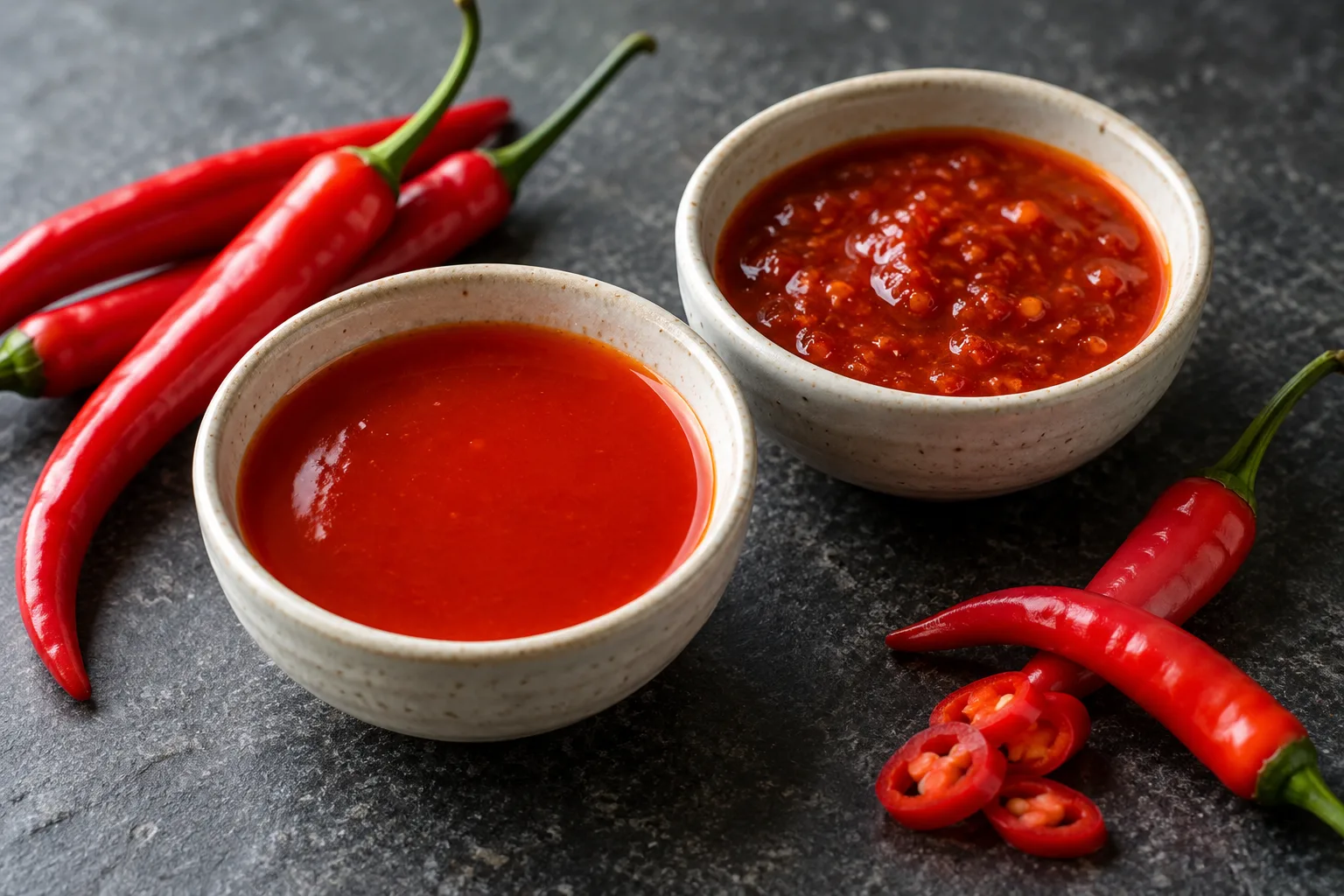
An original pepper-and-vinegar sauce differs from a sweet chili sauce, a creamy hot sauce or a ready-made wing coating. Ingredients can include sugar, oils, dairy, thickeners or other seasonings depending on the product. The product category is too broad to support one sugar or fat value.
Look at the added-sugars line when choosing a sweetened sauce. The FDA’s added-sugars guide explains that added sugar is included within total sugar. Do not add both lines together, and do not assume that a sauce with no added sugar is also low in sodium.
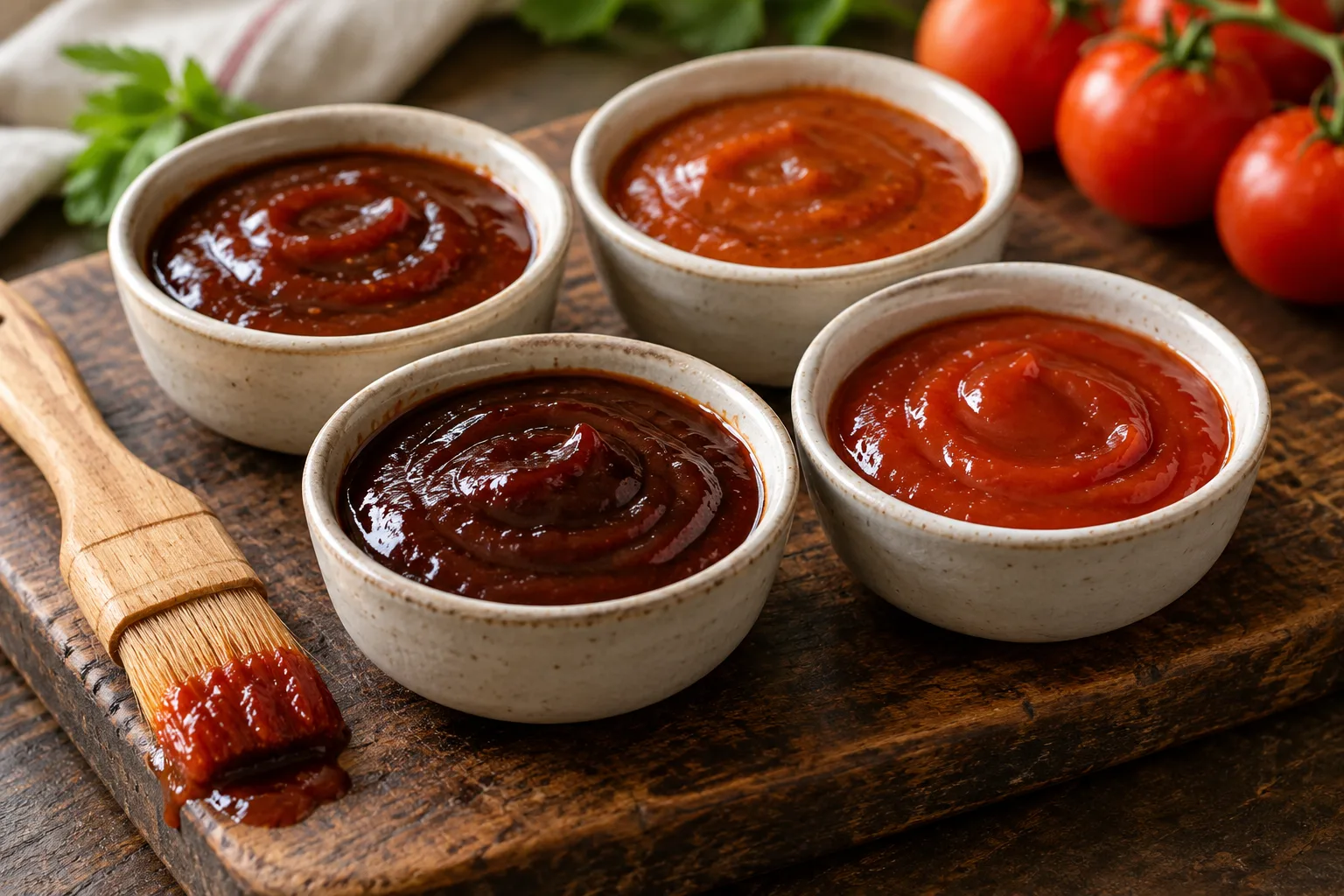
For a contrasting condiment, Planrity’s BBQ sauce comparison shows how a sweet glaze is assessed by its own serving and ingredients. A tablespoon of one sauce should not inherit another sauce’s nutrition just because both are used on the same chicken.
Allergies require the actual label too. The FDA’s allergy guidance supports checking every new product and formulation. A plain-looking sauce bottle does not establish the ingredients of a creamy variation or a restaurant’s house blend.
The food underneath can matter more than the sauce
Consider a broth-based meal. The identified regular Swanson Chicken Broth in Planrity’s broth comparison lists 860 mg sodium per cup. Adding a tablespoon of the sauces compared here gives these ingredient subtotals:
| One cup broth plus sauce | Sodium subtotal |
|---|---|
| Broth alone | 860 mg |
| Broth plus 1 tbsp TABASCO Original | 965 mg |
| Broth plus 1 tbsp Cholula Original | 1,190 mg |
The broth amount comes from the manufacturer’s regular Chicken Broth panel. Noodles, meat, vegetables and any other ingredients are excluded. This is not a nutrition estimate for an unidentified restaurant soup.
Changing the sauce saves about 225 mg in this example, but the broth still contributes 860 mg. If sodium is your main concern, comparing broth formulas as well as sauce amounts can make a larger practical difference. Reducing hot sauce alone may leave the biggest contributor unchanged.
The same logic applies to a salty takeaway dish. Hot sauce adds to the meal; it does not alter the sodium already in it. Planrity’s Chinese-food guide separates dish choice from added condiments, while the pico de gallo guide covers another topping with a different composition.
If spicy foods cause discomfort for you, choose a milder sauce or another flavoring. Heat is a preference to manage, not evidence that the food is burning body fat or treating a condition.
Choose a bottle for the way you use it
For a few drops on eggs, flavor may be the main distinction you notice. For several spoonfuls on a bowl, sodium becomes more important. For a marinade or shared pot, count the amount entering the recipe and the fraction you eat rather than assigning the whole bottle’s nutrients to one plate.
Follow the bottle’s storage instructions and keep serving utensils clean. If sauce touches raw meat, reserve a separate clean portion for serving rather than returning contaminated sauce to the table. The FDA’s safe-handling guide explains that marinade separation step.
The next time you buy hot sauce, compare sodium per teaspoon, identify whether it is a sweet or creamy variation, and choose a realistic portion. Those three checks provide a sounder answer than a promise that a spicy condiment will transform your health.
Frequently asked questions
Is hot sauce high in sodium?
Some products contribute relatively little in a small amount, while larger pours can add up. The reviewed teaspoon labels list 35 mg for TABASCO Original Red and 110 mg for Cholula Original. Three teaspoons give approximately 105 and 330 mg respectively. Use the actual bottle and the amount you eat; heat level alone does not tell you its sodium content.
Does zero-calorie hot sauce help with weight loss?
The label describes a small condiment serving, not a weight-loss treatment. A sauce may be useful if it helps you enjoy a meal or replaces a more energy-dense condiment in a measured amount. That depends on the complete substitution. Pepper heat and a zero-calorie teaspoon do not establish that the product causes weight loss.
Is a creamy hot sauce nutritionally the same as original hot sauce?
No. Creamy, sweetened and wing-style sauces may contain different fats, sugars, allergens and serving sizes. Read the exact product panel rather than applying the original sauce’s numbers to it. If you make a dip by mixing hot sauce with another ingredient, calculate that base separately and divide the finished mixture by the portion eaten.
Sources
- TABASCO: Original Red Sauce: nutrition, TABASCO
- McCormick: Cholula Original Hot Sauce, 5 fl oz, McCormick
- FDA: How to Understand and Use the Nutrition Facts Label, FDA
- FDA: Sodium in Your Diet, FDA
- FDA: Added Sugars on the Nutrition Facts Label, FDA
- FDA: Have Food Allergies? Read the Label, FDA
- FDA: Handling Food Safely While Eating Outdoors, FDA
- McCormick: Cholula Original nutrition image, McCormick
- Swanson: Chicken Broth