Meats and seafood
Is Goat Meat Healthy? Protein, Fat and Cooked Portions
Is goat meat healthy? Compare cooked goat, chicken and pork portions for protein, fat and iron, then account for curry ingredients and cooking safety.
The short answer
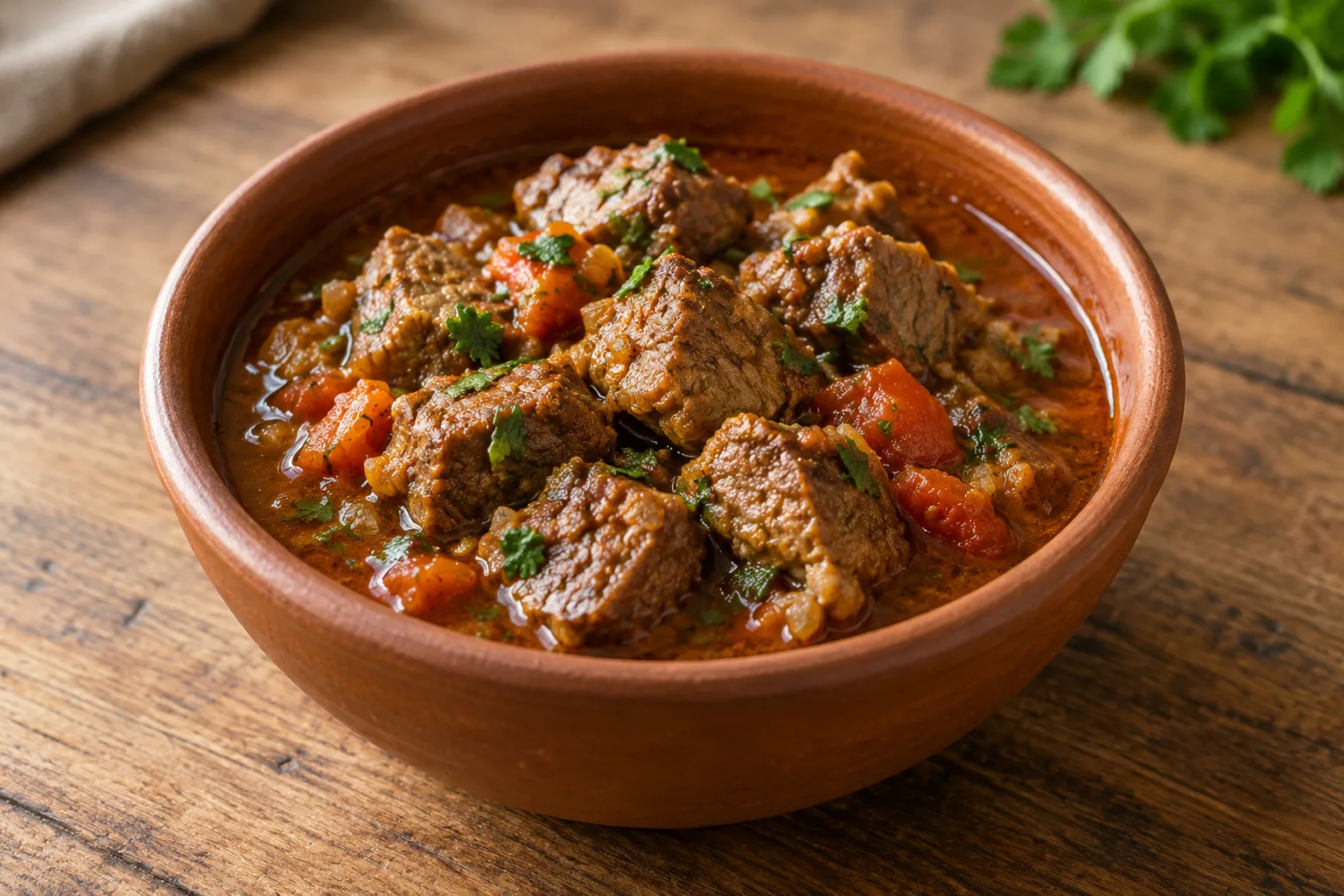
Sometimes Plain cooked goat can be a lean source of protein and iron. The USDA roasted-goat reference provides about 122 calories, 23 g protein, 0.8 g saturated fat and 3.2 mg iron per 85 g cooked edible portion. Those figures describe the meat itself, not a curry, fried preparation or restaurant platter.
| Nutrient | USDA roasted goat: cooked edible 85 g |
|---|---|
| Calories | 122 kcal |
| Protein | 23.0 g |
| Fiber | 0.0 g |
| Saturated fat | 0.8 g |
| Sodium | 73 mg |
| Iron | 3.17 mg |
USDA SR Legacy identified edible-weight references, summed without intermediate rounding; ingredient and calculation assumptions are stated in the article.
Plain cooked goat can be a lean source of protein and iron. The USDA roasted-goat reference provides about 122 calories, 23 g protein, 0.8 g saturated fat and 3.2 mg iron per 85 g cooked edible portion. Those figures describe the meat itself, not a curry, fried preparation or restaurant platter.
Compare identified cooked cuts before choosing. Goat is red meat, and its lean reference differs much less from lean beef than from pork shoulder. Sauce, added fat and sides then shape the finished meal.
What the cooked goat reference contains
The figures here come from USDA game meat, goat, cooked and roasted, FDC 175304. The reference provides a three-ounce cooked portion weighing 85 g. Bone and discarded trimmings are not part of that edible meat weight.
| Nutrient | Per 100 g cooked goat | Per 85 g cooked portion |
|---|---|---|
| Calories | 143 | 122 |
| Protein | 27.1 g | 23.0 g |
| Total fat | 3.0 g | 2.6 g |
| Saturated fat | 0.9 g | 0.8 g |
| Iron | 3.73 mg | 3.17 mg |
| Sodium, before added seasoning | 86 mg | 73 mg |
A cut with more retained fat, a different cooking method or a seasoned commercial product may differ. This is a useful benchmark, not an analysis of every goat breed or cut. It also does not tell you how much cooked meat is attached to a bone-in serving at a restaurant.
For a bone-in curry, avoid calling the entire weight in the serving bowl “goat meat.” Separate the edible meat from bone, then treat sauce as another component. The cooked reference cannot describe the combined weight of meat, bone and gravy.
If you buy raw goat, the purchase weight cannot simply be multiplied by the cooked-food values. Cooking changes water content, and bones or fat may be discarded. For a closer home estimate, identify the cooked edible amount before adding sauce and sides.
Compare goat with a lean beef cut as well
All amounts below are 85 g cooked edible meat. Alongside the goat reference, the sources are roasted chicken breast, FDC 171477, braised pork shoulder, lean only, FDC 168261, and choice beef top-round roast, separable lean only, trimmed to zero external fat, FDC 171770.
| Cooked 85 g | Goat | Chicken breast | Lean pork shoulder | Lean beef top round |
|---|---|---|---|---|
| Calories | 122 | 140 | 198 | 134 |
| Protein | 23.0 g | 26.4 g | 22.6 g | 25.7 g |
| Total fat | 2.6 g | 3.0 g | 11.2 g | 3.5 g |
| Saturated fat | 0.8 g | 0.9 g | 4.3 g | 1.3 g |
| Iron | 3.17 mg | 0.88 mg | 1.57 mg | 2.47 mg |
Goat is leaner than the selected pork shoulder, but the difference from the selected lean beef is much smaller: about 13 calories and 0.5 g saturated fat per 85 g. The beef supplies about 2.7 g more protein, while the goat reference has more iron. That is a useful tradeoff, not a species-wide winner.
The cuts are identified because fat trimming and cooking state matter. Comparing lean roasted goat with a fatty raw beef entry would exaggerate the difference. Even here, these are specific food references rather than matched tests of every cut or animal.
If your butcher has a lean beef cut you enjoy, this table does not show a dramatic calorie advantage from changing to goat. If your usual alternative is a fattier shoulder preparation, the difference may be more substantial. Cost, availability, cooking method and food preferences also matter.
Planrity’s bison-versus-beef guide and venison comparison apply the same cut-specific approach. Keep the reference narrow enough to describe what is actually on the plate.
Iron is a contribution, not a diagnosis or treatment
The 85 g goat reference contains about 3.2 mg iron. That can be useful when comparing meal ingredients, particularly because the difference from the selected chicken is substantial. The number does not establish your iron status, the amount you absorb or whether eating goat will correct a deficiency.
If you have symptoms or have been told you have low iron, use individual medical advice about testing, food and supplements. A food article cannot determine the cause of a low result. Equally, a high-looking iron figure is not a reason to assume everyone should add more meat or an iron supplement.
For ordinary meal planning, consider the whole eating pattern. Beans provide a different combination of protein, fiber and minerals, while goat supplies no fiber in this reference. Planrity’s bean guide offers useful options for pairing or rotating protein foods rather than making them competitors for every meal.
A lean meat can become a rich dish
Oil, butter, coconut products and cream all change a dish independently of the meat’s own fat. Five grams of olive oil adds about 44 calories and 5 g fat, using USDA FDC 171413. If the portion consumes that oil, an 85 g goat-and-oil example reaches about 166 calories before sauce or sides.
That is an ingredient calculation, not a recipe or a claim that all oil placed in a pan is consumed. For a shared curry, divide the ingredients by the fraction of finished food eaten. If oil or sauce is left behind, the actual consumed amount is uncertain; do not claim a precisely measured intake from appearance.
Rice, bread and vegetables also shape the meal. The USDA cooked white-rice reference, FDC 168878, adds 195 calories per 150 g cooked portion. Goat plus that rice is therefore a different meal from plain goat, even before curry sauce is counted.
If your concern is saturated fat, examine the sauce ingredients as well as the cut. If sodium is the concern, examine added salt, stock and seasoning blends. A lean meat does not make those additions disappear, and a dish can remain flavorful while you make one specific change rather than replacing everything at once.
Goat remains red meat
The World Health Organization’s definition of red meat explicitly includes goat. Low saturated fat in a selected cut does not move it into the poultry category or remove wider questions about red-meat eating patterns.
Fresh goat meat is also different from a preserved goat sausage or another cured product. Processing such as curing, salting, fermentation or smoking raises a separate classification question. Read what a product actually is rather than assuming an animal species determines whether it is processed.
For a varied week, you might include goat at some meals and use poultry, fish or plant foods at others. The portion and frequency can be considered alongside enjoyment, cost and cultural food preferences. This guide does not use one lean reference to promise disease prevention or a unique health advantage.
Cook the cut safely and count the edible meat
The FoodSafety.gov temperature chart specifies 145°F, or 63°C, plus a three-minute rest for goat steaks, roasts and chops. Ground meat needs 160°F, or 71°C. A recipe may cook longer for tenderness; texture and the minimum safe endpoint are separate questions.
Check with a food thermometer and follow a suitable recipe or appliance instruction. For bone-in portions, measure edible cooked meat for nutrition rather than counting the bone. Reheat leftovers to 165°F and keep raw-meat utensils separate from food ready to eat.
The FDA’s handling guide recommends separating clean serving marinade before raw meat enters it and refrigerating perishable food promptly. These steps apply even when a meat is lean or obtained from a trusted butcher.
For your next goat meal, identify the cooked meat portion, the fat added to the sauce and the sides. That gives the lean protein and iron contribution a clear place in a meal without overstating what the meat alone can tell you.
Frequently asked questions
Is goat meat leaner than chicken?
The selected USDA roasted goat and skinless roasted chicken-breast references are both lean. At 85 g, goat has about 2.6 g total fat and chicken 3 g. Chicken supplies slightly more protein in this comparison. Other cuts and preparations differ, so these figures do not establish that every goat dish is leaner than every chicken dish.
Does goat meat provide a lot of iron?
The roasted reference supplies about 3.17 mg iron per 85 g, more than the identified chicken and pork comparisons here. That is useful composition information, not proof that it treats anemia or meets every person’s needs. If iron deficiency is a concern, follow individual advice about assessment and treatment rather than relying on one food’s nutrient amount.
Is goat curry as lean as plain roasted goat?
Not necessarily. Oil, butter, coconut products, sauce ingredients and portion size change the finished dish. Rice or bread adds another component. Use the plain meat reference only for the actual edible meat portion, then account for the recipe and sides separately. A bone-in restaurant serving also includes weight that is not edible meat.
Sources
- WHO: Carcinogenicity of red and processed meat, WHO
- FoodSafety.gov: Safe Minimum Internal Temperatures, FoodSafety.gov
- FDA: Handling Food Safely While Eating Outdoors, FDA
- USDA FoodData Central: Pork, fresh, shoulder, (Boston butt), blade (steaks), separable lean only, cooked, braised (FDC 168261), USDA FoodData Central
- USDA FoodData Central: Rice, white, long-grain, regular, enriched, cooked (FDC 168878), USDA FoodData Central
- USDA FoodData Central: Oil, olive, salad or cooking (FDC 171413), USDA FoodData Central
- USDA FoodData Central: Chicken, broilers or fryers, breast, meat only, cooked, roasted (FDC 171477), USDA FoodData Central
- USDA FoodData Central: Game meat, goat, cooked, roasted (FDC 175304), USDA FoodData Central
- USDA FoodData Central: Beef, round, top round roast, boneless, separable lean only, trimmed to 0" fat, choice, cooked, roasted (FDC 171770), USDA FoodData Central